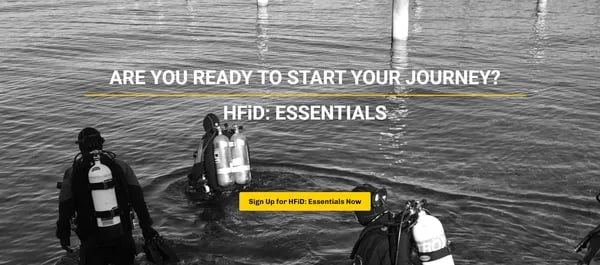



Picture this: A diver who’s navigated countless underwater adventures suddenly halts to rethink a decision that could have led to a mishap—not because of gear failure, but their own perception and choice. This is exactly where human factors in diving come in, and why The Human Diver's HFiD: Essentials course is making waves for divers worldwide. Unlike traditional diving classes focused on equipment and technical skills, this course dives into the psychological and social layers that influence every dive. It’s about knowing yourself underwater as much as mastering your gear.
Unpacking Human Factors in Diving: Why It Matters
Diving safety and performance are often associated with technical skills and advanced equipment, but the reality is far more complex. Human factors—such as perception, decision-making, communication, and teamwork—play a critical role in every dive. The Human Factors Diving approach, as taught in the HFiD: Essentials course by The Human Diver, brings these non-technical elements to the forefront, filling crucial gaps left by standard diving education.
Traditional dive training focuses heavily on procedures, gear, and emergency protocols. However, research and incident analysis consistently show that many diving accidents and close calls are not caused by equipment failure or lack of technical knowledge. Instead, they often stem from human error, perception bias, and breakdowns in decision-making under pressure. As one experienced dive instructor notes:
“Understanding human factors is crucial to reducing diving accidents and enhancing safety culture.”
The HFiD: Essentials course addresses these often-overlooked aspects through modules dedicated to Human Error Prevention, normalization of deviance, psychological safety, and more. By exploring how divers interpret information, make choices, and interact with teammates, the course empowers participants to recognize and mitigate risks before they escalate.
Beyond Technical Skills: The Human Element
Perception Bias: Divers may misinterpret cues or overlook hazards due to stress or overconfidence.
Decision-Making Under Pressure: Fast-paced environments can lead to snap judgments or poor choices.
Communication and Teamwork: Misunderstandings or lack of clarity can compromise safety, especially in complex or technical dives.
Leadership and Followership: Effective teams rely on shared responsibility and open feedback, not just hierarchy.
Historical analysis of diving incidents reveals that routine dives can become dangerous when non-technical skills are neglected. For example, normalization of deviance—where unsafe practices become accepted over time—has been a root cause in many accidents. The HFiD: Essentials course uses real-world case studies to highlight how these factors play out and offers practical strategies for improvement.
By building awareness of human factors, divers can proactively reduce error rates and enhance their overall safety. This holistic approach to Diving Safety Education ensures that divers are not only technically competent but also equipped to handle the unpredictable realities of the underwater environment.
Course Structure & Content: Navigating Through 12 Essential Modules
The Essentials Course by The Human Diver is carefully structured into 12 concise modules, each designed to address a critical aspect of diving safety education and human factors. This online course is suitable for all diver levels, from beginners to instructor trainers, ensuring that every participant gains practical skills and knowledge that can be immediately applied to real-world diving scenarios.
Introduction – Sets the stage for the course, outlining objectives and the importance of human factors in diving.
Human Factors and Non-Technical Skills – Explores essential skills beyond technical proficiency, such as teamwork and communication.
‘Human Error’ – Examines why mistakes happen and how understanding them can improve safety.
Violations and Normalisation of Deviance – Discusses how unsafe practices can become routine and how to prevent this.
Psychological Safety and Just Culture – Focuses on creating environments where divers feel safe to speak up and learn from errors.
Decision Making – Provides tools for making sound choices under pressure.
Situation Awareness – Teaches divers to recognize and respond to changing underwater conditions.
Communication – Covers effective information exchange, both underwater and on the surface.
Teamwork – Highlights the value of collaboration for safer dives.
Leadership and Followership – Explores how divers can lead and support teams, regardless of formal roles.
Performance Shaping Factors – Identifies factors that influence diver performance, such as stress and fatigue.
Case Study, Summary, Feedback and Personal Goals – Utilizes case studies analysis to connect theory to practice, encouraging reflection and goal-setting.
Each lesson is short—ranging from 5 to 15 minutes—making it easy to fit learning into busy schedules and promoting better retention. As one participant shared,
“Breaking down complex topics into bite-sized lessons makes learning manageable and effective.”
The course’s modular structure not only supports flexible study but also allows learners to revisit specific topics as needed. Extensive bonus materials—such as published research papers, infographics, briefing and debriefing guides, and eBooks—deepen understanding and provide valuable resources for ongoing reference. The inclusion of real-world case studies is a standout feature, offering practical insights into human error and safety culture, and helping divers learn from actual incidents.
With a total duration of approximately 3.5–4 hours, the Essentials Course delivers a comprehensive, accessible, and practical approach to diving safety education that goes far beyond traditional training materials.
Elevating Decision Making and Situational Awareness Underwater
In the realm of diving, technical skills and advanced equipment are only part of the safety equation. The HFiD: Essentials course by The Human Diver places a strong focus on Decision Making Diving and Situational Awareness Training—two pillars that significantly impact diver safety and performance. By exploring the human factors that influence choices and perceptions underwater, the course equips divers to better manage risks and adapt to dynamic conditions.
Understanding Decision Making in Diving
Effective decision making in diving is not just about following checklists or protocols. It involves recognizing the factors that shape choices before, during, and after a dive. The course breaks down how stress, fatigue, group dynamics, and cognitive biases can affect judgment. As one diving safety expert notes:
“Good decision-making underwater is half science, half art—human factors bridge that gap.”
Through practical lessons, divers learn to identify and avoid common pitfalls, such as normalization of deviance—where risky behaviors become routine over time. This mindful approach to risk management diving helps prevent accidents rooted in human error.
Situational Awareness Training: Staying Informed Below the Surface
Situational awareness is the ability to perceive, understand, and anticipate what is happening in the underwater environment. The HFiD: Essentials course emphasizes the importance of monitoring not only the physical surroundings but also the status of team members and equipment. This training draws on proven techniques from high-risk fields like aerospace and surgery, where constant awareness is critical for safety.
Recognizing subtle changes in the environment
Tracking team communication and behavior
Anticipating potential hazards before they escalate
By developing these skills, divers are better prepared to respond to unexpected situations and make informed choices in real time.
Learning from Experience: A Non-Judgmental Approach
A unique aspect of the HFiD: Essentials course is its encouragement of non-judgmental learning. Divers are taught to analyze both their own and others’ experiences without blame, fostering a culture of continuous improvement. This reflective practice is vital for building safer habits and improving future dives.
Ultimately, Decision Making Diving and Situational Awareness Training are not just theoretical concepts—they are practical skills that every diver can develop. The HFiD: Essentials course provides the tools and mindset needed to elevate underwater performance and safety, making every dive a learning opportunity.
Building Psychological Safety and Team Dynamics Beneath the Surface
One of the most transformative modules in the HFiD: Essentials course is its focus on psychological safety dives and team dynamics. These concepts are not just theoretical—they are proven to reduce stress and error rates in real-world diving scenarios. By fostering a culture where divers feel safe to speak up, ask questions, and admit mistakes without fear of blame, teams can significantly improve both safety and performance underwater.
Psychological safety is the foundation for open, blame-free communication among dive teams. When divers know they can voice concerns or share observations without negative consequences, they are more likely to catch potential issues before they escalate. As one Diving Team Leader put it:
“Creating a psychological safe space can turn a good dive team into a great one.”
The HFiD: Essentials course provides practical leadership training and communication skills that help both leaders and followers contribute to a positive team environment. Leadership is not just about giving orders; it’s about setting the tone for respectful dialogue and encouraging input from every team member. Followership, equally important, means supporting the leader while also feeling empowered to speak up when necessary.
A key element taught in the course is the concept of a Just Culture. Rather than punishing mistakes or violations, a Just Culture encourages teams to analyze errors constructively. This approach normalizes learning from incidents, helping divers and instructors address the root causes of problems rather than assigning blame. By shifting the focus from punishment to improvement, teams can continuously enhance their safety practices.
Effective team dynamics are essential for operational success beneath the surface. The course stresses that collaboration is vital, regardless of formal titles or experience levels. When every diver feels valued and heard, the team can adapt more quickly to changing situations and make better decisions together. This collaborative spirit not only reduces operational risk but also increases enjoyment and satisfaction during dives.
Psychological safety enables honest, open communication.
Leadership and followership principles guide effective underwater teamwork.
Just Culture fosters learning from mistakes, not punishment.
Strong team dynamics directly improve dive safety and enjoyment.
The HFiD: Essentials course equips divers with the mindset and tools to build these critical skills, making psychological safety and team dynamics a core part of every dive—not just an afterthought.
Personal Growth and Lifelong Learning: Beyond the Dive
The Essentials Course by The Human Diver is more than just a technical training program—it is a catalyst for personal growth and lifelong learning. By focusing on human factors and non-technical skills, the course encourages divers to develop a personal culture of learning that extends well beyond the underwater environment. Participants are empowered to reflect on their own experiences, openly discuss mistakes, and continuously improve their skills in a non-judgmental setting.
A unique aspect of the Essentials Course is its emphasis on leadership training and debriefing skills. These competencies are not only vital for safe and effective diving but also translate into everyday life. Divers learn to lead by example, foster open communication, and support their teams—skills that are valuable in any professional or personal context. As one graduate, Brian Slater A.M., shared:
“This course didn’t just change how I dive, it changed how I think about safety and life.”
The course structure supports experiential learning through concise, focused modules and real-world case studies. This approach helps divers internalize lessons, making it easier to apply insights both underwater and on land. The Essentials Course also provides tools for effective debriefing, enabling divers to analyze incidents and successes in a constructive, blame-free manner.
A key benefit is the lifetime access included with the $97 one-time fee. This allows divers to revisit materials, stay current with new research, and benefit from regular course updates at no extra charge. Ongoing updates ensure that learners always have access to the latest best practices and insights, reinforcing the value of continuous education.
The course’s accessible pricing encourages wide participation, helping to build a diverse and supportive community. Instructors can further spread a culture of safety and learning through affiliate opportunities, purchasing credits for students at a discount or providing free access. This not only amplifies the impact of the Essentials Course but also supports community building among divers committed to safer practices.
By instilling a mindset of continuous improvement and equipping divers with leadership and debriefing skills, the Essentials Course lays a foundation for growth that lasts a lifetime. The tools and perspectives gained are designed to reverberate beyond diving, shaping safer, more self-aware individuals who are prepared to lead and learn in any environment.
Wild Card: Imagine If Dives Could Talk – Learning from the Unseen
Imagine a future where every dive could “talk”—not just through numbers on a dive computer, but by logging the psychological states, decisions, and subtle team dynamics that unfold underwater. What if, after surfacing, divers could review not only their depth and gas consumption, but also a detailed record of their mental workload, stress levels, and communication patterns? This scenario, while imaginative, highlights the core message of Human Factors Diving: the most valuable lessons often come from the unseen, the unspoken, and the unrecorded.
In aviation, the black box revolutionized safety by capturing critical data before, during, and after incidents. Imagine if diving had its own “human factors telemetry”—a way to capture not just technical metrics, but also the real-time emotional feedback and decision-making processes of the dive team. Such technology could transform Diving Safety Education, offering a new dimension of insight into what really happens below the surface. For example, a diver’s wearable could gently alert the team if someone’s stress levels spike, prompting a check-in and fostering psychological safety. Real-time feedback could nurture trust and transparency, helping teams adapt and support each other in challenging moments.
If dives could “talk,” the debrief would become a richer, more honest conversation. Instead of guessing why a decision was made or why a miscommunication occurred, teams could review a holistic dive log—one that includes not only what happened, but also how and why. This approach mirrors the advances seen in other safety-critical industries, where integrating human factors data has led to significant Performance Improvement and reduced incidents.
While such technology may still be on the horizon, the HFiD: Essentials course encourages divers to start thinking this way now. By reflecting on the unseen elements of each dive—emotions, team dynamics, and decision-making processes—divers can foster a culture of continuous learning and improvement. This mindset shift is crucial for advancing diving safety and building trust within teams. As the industry evolves, integrating human factors into every aspect of dive training and practice will be key to unlocking safer, more effective, and more enjoyable underwater experiences. In the end, the real value lies not just in what we see or measure, but in what we learn from the stories our dives could tell—if only we knew how to listen.