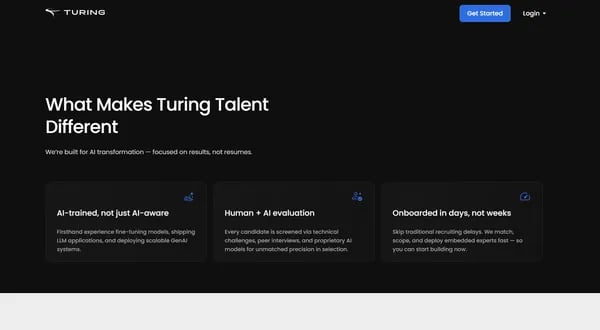



Remote work isn’t just a passing trend; it’s reshaping how we live and work. With platforms like Turing connecting experts in software development, AI, medicine, and more to global opportunities, you can build a flexible career right from your home—or anywhere you choose. This shift means you no longer need a traditional office to thrive. Instead, you gain the freedom to craft your daily routine, balance work and life better, and tap into a worldwide network of projects.
Whether you’re a designer, developer, or digital enthusiast, remote work offers a chance to work smarter, faster, and without boundaries. It’s about finding real jobs that fit your skills and lifestyle, minus the commute or rigid hours. Ready to explore? Start your journey toward independence and digital freedom today with https://van-santen-enterprises.com/remote-work.
Understanding Remote Work
Remote work means working from anywhere outside a traditional office setting. With just a laptop and internet connection, you can contribute to projects, collaborate with teams, and deliver results without commuting or strict office hours. It’s a shift from the old 9-to-5 to flexible, location-independent opportunities.
This trend is powered by platforms like Turing, which link global professionals with U.S. companies in fields such as software development, AI, medicine, and design. Whether you're analyzing AI business strategies, writing technical content, or coding cloud architecture, remote work lets you tap into projects that fit your skills and schedule.
Benefits of working remotely are huge. For starters, you gain unmatched flexibility to design your day around your life, not the other way around. This improves your work-life balance significantly. Plus, remote work eliminates location barriers — you can live in Bali, New York, or a small town and still join top-tier projects worldwide.
Financially, remote work can be rewarding since many roles offer competitive pay. Plus, you save on commuting costs and can access global opportunities that weren't available locally. Tools like Wise and Revolut even make managing international earnings hassle-free.
Additionally, remote jobs foster continuous growth. You learn to master digital communication, time management, and self-discipline—skills valued in today’s job market. And thanks to platforms like Turing’s AI-driven job matching, you get tailored suggestions to match your talents and career goals.
Remote work is about more than just a change in location; it’s a movement toward independence, diversity of experience, and financial freedom. Ready to organize your remote tasks? Check out the simple task scheduler below to see how you might plan your work from anywhere.
Top Platforms for Remote Work
When it comes to remote work, the options are vast, but certain platforms stand out for their quality of opportunities and user experience. One of the leading portals is Turing, designed to connect skilled professionals with top U.S. companies across software development, AI, medicine, design, and more. What makes Turing unique is its AI-driven vetting process, which includes skill assessments and interviews to match you with roles that fit your expertise. This ensures higher-quality, well-paid positions tailored to your capabilities.
On Turing, you’ll find job roles like AI Business Analysts, Senior Software Engineers specializing in LLM evaluation, technical content writers, Photoshop specialists, and even medical professionals such as Physicians and Resident Medical Specialists. These roles mostly offer fixed salary or hourly payment structures and are targeted at both U.S. and global clients, offering a serious and professional remote work environment.
Other popular platforms for remote work include Upwork and Freelancer. They provide a broader range of job categories, from writing and marketing to development and design. However, their vetting process isn’t as stringent as Turing’s, and payment models on these sites typically include hourly rates or fixed-price contracts. Freelancers pay platform fees of up to 20%, which can add up, but these sites offer a large volume of gigs worldwide.
For those looking to dive into remote options, here is a quick snapshot of how these platforms stack up:
While Turing focuses on specialized fields like AI and medicine, Upwork and Freelancer cover a wide variety of job types with less upfront screening. This makes Turing ideal for professionals looking for long-term, high-quality remote work, while Upwork and Freelancer suit freelancers seeking diverse gig opportunities.
Check out the scale of available remote roles across these platforms to get a sense of the marketplace:
Current prominent roles on Turing include:
Senior Forward Deployed Engineer (Data Migration, Cloud Architecture, Python/SQL)
Senior Software Engineer – LLM Evaluation & Repository Validation
If you’re a developer or specialist who values a rigorous vetting process that leads to meaningful projects, Turing’s system is designed to work for you. Creating a profile involves completing a thorough onboarding process, including skill tests and AI-driven matching, ensuring you're paired with jobs that align with your career goals.
Below is an example JavaScript snippet demonstrating how one might fetch job listings from Turing’s API, giving a practical glimpse into how tech-savvy professionals connect with remote roles programmatically:
Whether your strengths lie in software engineering, AI, design, medicine, or writing, these platforms open doors to remote jobs without geographic limits. From extensive marketplaces on Upwork and Freelancer to specialized career-building on Turing, you have options built for whatever remote work path you want to pursue.
Finances Made Easy: Digital Banking Tools
Managing your money while working remotely has never been easier thanks to digital banking tools designed for the flexible lifestyle. These platforms offer fully online accounts, low fees, and the ability to send payments or receive deposits anytime, anywhere. For remote workers juggling projects across borders or just looking for hassle-free finances, the right tool can make a big difference.
Chime stands out with no monthly fees or overdraft penalties and instantaneous account setup, perfect for freelancers who want to get started quickly without minimum balance worries. Its top-rated mobile app provides anytime access to your funds, plus features like two-factor authentication and FDIC insurance make security a priority.
Venmo is ideal if you want to split bills easily or get paid by clients using just an email or phone number. While best known for domestic peer-to-peer payments, Venmo supports direct deposit and offers a smooth mobile experience. Just keep in mind fees apply for credit card payments, so small business owners should consider that.
When it comes to international money movement, Wise is a favorite among remote workers worldwide. Its multi-currency wallets simplify receiving payments from different countries in local currencies with minimal conversion fees. Wise supports direct deposit and offers competitive exchange rates, while the app helps track and send funds globally with ease.
Here’s a quick comparison of these popular digital banking tools to help you find a fit for your remote work finances:
Integrating these tools into your daily workflow can be automated too. For example, using Chime’s API, developers can check balances or send payments programmatically, adding efficiency and control to managing remote income streams. Below is a snippet illustrating how to interact with Chime’s API to fetch account balances and send payments securely.
Tips for Succeeding in Remote Work
Mastering time management is key to thriving when you work remotely. Structure your day into focused blocks of time to tackle tasks without distraction. The Pomodoro technique is a great tool here—work for 25 minutes, then take a 5-minute break to recharge. Apps like Toggl or Focus Booster help track your sessions effortlessly.
Clear and consistent communication is equally important. Use platforms like Slack or Microsoft Teams to stay connected with your team throughout the day. Regular check-ins, whether brief video calls or status updates, keep everyone aligned and reduce isolation.
Set boundaries to keep work-life balance in check. Define your workspace and hours, and let colleagues and family know when you’re focusing. Tools like Google Calendar help schedule your day and block off uninterrupted work times.
Lastly, keep updates concise but informative. Summarize progress and next steps clearly to avoid confusion. Over-communicating is often better than being too brief in remote settings.
Challenges of Remote Work
Remote work opens doors to flexibility and freedom, but it also brings its own set of challenges that can trip up even the most motivated professionals. A common obstacle is communication — without face-to-face interactions, messages can be misunderstood or delayed. Tools like Slack or Zoom help, but knowing when and how to use them effectively takes practice. Without clear communication, projects can stall and collaboration suffers.
Another hurdle is staying productive. The home environment is full of distractions, from household chores to family interruptions. Remote workers often struggle with setting boundaries both physically and mentally. Establishing a dedicated workspace and sticking to a schedule similar to office hours can improve focus and productivity. Platforms like Turing emphasize strong onboarding and skill assessments to ensure you meet project expectations remotely, giving a structured framework that can boost discipline.
Loneliness and isolation also affect many remote workers. Lack of social interaction can lower morale and motivation over time. Scheduling regular virtual catch-ups or joining remote work communities can help you stay connected. Participating in platforms that foster community, like Turing’s network, can reduce feelings of isolation by connecting you with peers who share your professional interests and challenges.
Technology hiccups are another frequent issue. Poor internet connectivity or incompatible tools can waste precious work hours. Investing in reliable internet and learning to troubleshoot common technical problems can save frustration. Familiarizing yourself with essentials like video conferencing on Cisco Webex or task management on Asana is key.
Lastly, managing work-life balance without clear separation can lead to burnout. It’s tempting to keep working non-stop when your office is at home. Setting clear start and stop times, using reminders to take breaks, and leveraging apps like Focus@Will or Pomodoro timers can help maintain wellness and prevent exhaustion.
To tackle these challenges, a proactive approach combining the right tools, routines, and support systems is essential. For instance, developing a simple task and communication manager tailored to your workflow can maintain organization and team alignment. The JavaScript snippet below offers a lightweight example of managing tasks and messages efficiently, helping remote teams stay on track and connected.
Frequently Asked Questions
Starting remote work can feel overwhelming, but platforms like Turing make it straightforward. Just create your profile there, complete their onboarding, skill assessments, and interviews. Their AI matches you with projects that fit your expertise in software development, AI, design, and more.
Wondering what skills will give you the best shot? Software engineering, AI business analysis, medical fields, and content creation are hot areas. Turing frequently lists roles for Senior Software Engineers, AI Business Analysts, and Technical Content Writers, so honing skills in these zones will help you stand out.
Managing international payments as a remote worker might seem tricky, but it’s actually quite smooth. Platforms like Turing use secure automated systems to handle currency conversion and pay you directly into your bank or payment service, no matter where you live. This takes the headache out of getting paid globally.
How do I start remote work with Turing?▼
What skills are most valuable for remote jobs?▼
How do I manage international payments as a remote worker?▼
Conclusion
Remote work unlocks freedom, flexibility, and financial independence for anyone ready to take control of their career. Platforms like Turing connect skilled professionals worldwide with exciting jobs in fields from software development to medicine. Managing your income is simple, thanks to digital banking tools like Wise and Revolut that handle international payments with ease. No matter your experience or location, real opportunities are just a few clicks away. Embrace remote work through Van Santen Enterprises and start building a balanced, empowered lifestyle on your own terms.
🎯 Key Takeaways from Your Remote Work Journey
- → Remote work offers freedom, flexibility, and financial independence.
- → Platforms like Turing connect you with global, high-quality remote jobs.
- → Digital banking tools simplify managing global payments efficiently.
- → Anyone can start remote work regardless of experience or location.
- → Explore and embrace remote work for a balanced, empowered lifestyle.