

Once, over bad coffee in a too-bright coworking space, my friend Sam told me his AI contract gig paid more than his San Francisco startup job with way less stress. I didn’t believe him till I saw the offer letter: $120/hr to work in sweatpants? It sounded like an urban legend—until I started tracking the numbers myself. The world of remote AI salaries is wilder and weirder than a lot of people realize, and it's only accelerating as we inch toward 2025. Let's pull back the curtain on these roles, the premium they command, and where the unexpected sweet spots really are.
Meet the AI Job Cast: Not Just Engineers Anymore
When most people think of remote AI job roles, they picture software engineers hunched over code. But in 2025, the world of AI job opportunities is much bigger—and more surprising—than ever before. Today’s AI teams are packed with experts from all walks of life, and the salary ranges are proof that it’s not just the coders cashing in.
Take a look at some of the latest roles posted on Mercor, a leading platform for remote AI job opportunities:
Legal Expert: $110–$130/hr (62 hired recently)
Software Engineer (Codebase Deep Reasoning & Evaluation): $85–$125/hr (62 hired recently)
Management Consulting Expert: $90–$120/hr (106 hired recently)
Open Source Developers: $90–$120/hr (54 hired recently)
Physics Expert (PhD): $60–$80/hr (79 hired recently)
Mathematics Expert (Master’s/PhD): $60–$80/hr (44 hired recently)
Creative Photography Expert: $60/hr (113 hired recently)
These numbers show that AI roles salary comparison is no longer just about who can code the fastest. Some of the best-paid gigs are now in legal, management, and open source development. In fact, AI governance professional salaries are climbing fast, with legal experts earning up to $130/hr. As Dr. Priya Raman, a leading AI Governance Consultant, puts it:
“AI talent is about a whole village, not just the technical whiz in the basement.”
What’s behind this shift? As AI systems become more complex and widespread, companies need more than just technical know-how. They need people who can handle compliance, explain AI concepts to non-technical leaders, and even help AI systems “see” the world creatively. That’s why quirky new job titles are popping up—like Physics PhDs, Creative Photography Experts, and, yes, AI governance professionals.
Consider Julia, a mathematician with a PhD. For years, she wondered if her deep math background would ever pay off outside academia. Now, she’s working remotely, helping executives understand the math behind AI models. Her story is becoming more common as companies realize the value of specialized knowledge in fields like mathematics, physics, and even creative arts.
Supporting roles are also seeing a boom. First-Line Supervisors of Office and Administrative Support Workers are making $60–$100/hr, proving that you don’t have to be a coder to land a lucrative remote AI job role. Creative experts, like photographers, are finding new ways to contribute to AI projects—often at rates that rival traditional tech jobs.
In short, the AI job opportunities 2025 landscape is wide open. Whether your expertise is in law, management, science, or the arts, there’s a place—and a competitive salary—for you in the remote AI workforce.
Salary Showdown: Tracking the AI Premium (and Its Wobbles)
When it comes to AI salary trends, the numbers are eye-popping—but the reality is more nuanced than splashy headlines suggest. The median U.S. AI talent salary in 2025 clocks in at $160,000, but real-world rates for remote roles bounce between $60/hr and $130/hr, depending on experience, specialty, and sometimes, a bit of luck.
What’s the Real AI Salary Premium?
AI expertise now commands a robust premium over standard tech jobs—think 5% to 28% more, according to recent data. For example, AI software engineers specializing in deep reasoning or agent-based coding are seeing hourly rates from $85 to $125, while legal experts in AI governance can pull in $110 to $130 per hour. Compare that to non-AI tech roles, and the difference is clear: AI skills are in a league of their own.
Median AI salary: $160,000 (2025)
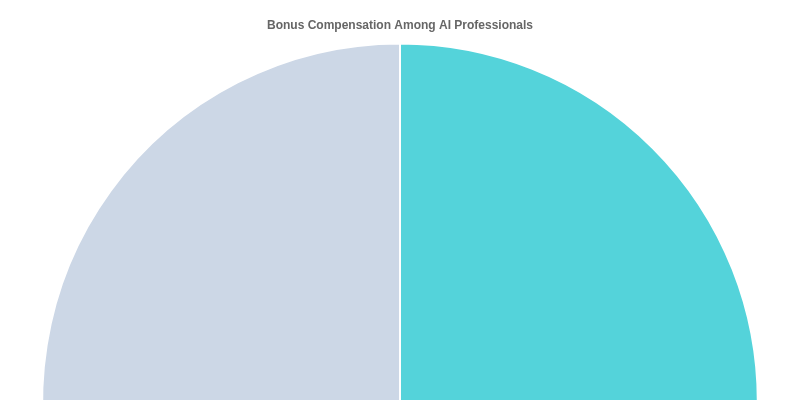
AI governance/legal base: $190,000, with 70% receiving bonuses
Remote AI salary range: $110,000–$180,000+
AI salary premium: 5–28% over comparable tech jobs
Remote Work: Blurring the Salary Geography
Here’s where things get interesting. The old rules about tech salary geography are fading fast. As Jenna Park, Remote Work Strategist, puts it:
“Location matters much less than skill in remote AI hiring now.”
It’s true—cost-adjusted AI salaries in cities like Austin, Houston, or Jacksonville can rival those in San Francisco or San Jose, without the sky-high rent. For instance, a software engineer earning $160,000 in Oakland might see their nominal salary dip to $140,000 if they move to Jacksonville, but their take-home pay could actually stretch further thanks to a lower cost of living.
City | Nominal AI Salary | Cost-Adjusted Value |
|---|---|---|
San Francisco | $180,000 | $110,000 |
Austin | $150,000 | $145,000 |
Houston | $140,000 | $140,000 |
Jacksonville | $130,000 | $135,000 |
Bonuses and Outliers: The Wild Cards
It’s not just base pay that’s booming. Nearly 70% of AI legal and governance professionals report snagging bonuses or extra compensation on top of their already hefty salaries. And while most AI roles fall within the $60/hr to $130/hr range, outliers abound—especially for rare specialties or those with experience in cutting-edge agent-based systems.
Bottom line: AI compensation packages are lucrative, but they’re also unpredictable. The AI salary premium is real, but it comes with plenty of quirks, wild cards, and regional twists—especially in the new era of remote work.
Naming Names: Oddball Roles and Wild West Job Titles
If you’ve spent any time scrolling through remote AI jobs lately, you’ll notice something: the job titles are getting weirder, longer, and more specific by the week. The AI job scroll reads like a casting call. “Software Engineer (Codebase Deep Reasoning & Evaluation)” isn’t a joke—it’s a real posting, and it’s just the tip of the iceberg. The AI salary boom is fueling a job title arms race, where every new listing tries to outdo the last in quirk and specificity.
Let’s break down what’s happening. As AI developer salary trends climb, companies are searching for unicorns—people who blend technical expertise with niche, sometimes surprising, backgrounds. Gone are the days of the generic “AI Developer.” Now, it’s all about hyper-focused roles:
Software Engineer (Codebase Deep Reasoning & Evaluation): $85–$125/hr, 62 hired recently
Exceptional Software Engineers (Agent Experience): $85/hr, 138 hired recently
Creative Photography Expert: $60/hr, 113 hired recently
First-Line Supervisors of Office and Administrative Support Workers: $60–$100/hr, 45 hired recently
Veterans with “agent experience” are especially hot commodities. These are the folks who’ve worked with AI agents—think autonomous bots that can code, search, or even negotiate. Some of these specialists are pulling in $110/hr or more, according to recent AI roles salary comparison data. As one hiring consultant, Maria Limehouse, puts it:
“What’s in a name? In AI, your title is half the bargaining chip.”
But it’s not just about code. Creative roles are popping up everywhere. Take the “Creative Photography Expert” gig at $60/hr. Wasn’t AI supposed to only eat boring jobs? Think again. There’s a rising demand for people who can train generative models using real-world creative expertise. One ex-photographer, frustrated with shrinking studio gigs, landed a remote AI job training image models—and doubled his yearly income, all without leaving his home office. It’s a prime example of how niche skills (think creative + AI) are now commanding strong demand and premium pay.
What’s driving this wild west of job titles? It’s partly about standing out in a crowded market, but also about attracting the exact mix of skills needed for today’s AI projects. The more specialized the title, the more likely it is to catch the eye of a candidate with just the right experience. And as remote AI jobs keep multiplying, the titles get even more creative—sometimes bordering on the absurd.
In this new world, non-traditional AI job postings are not just mainstream—they’re the new normal. The job title you see today might be the industry standard tomorrow. If you’re tracking AI developer salary trends or looking for the next big thing in remote AI jobs, keep an eye on those oddball titles. They’re not just labels—they’re signals of where the demand (and the money) is heading.
Where the Gold Rush Is: Geographies, Startups, and Salary Traps
When people picture the top cities for AI jobs, they usually imagine the glimmering offices of San Jose, San Francisco, or Oakland. On paper, these hubs offer eye-popping salaries—roles like Legal Expert or Software Engineer (Codebase Deep Reasoning & Evaluation) routinely advertise $110-$130/hr and $85-$125/hr, respectively. But here’s the twist: the real gold rush might be happening far from the coasts, in places where your paycheck actually goes further.
Nominal vs. Cost-Adjusted AI Salaries: The Real Winners
Sure, the Bay Area headlines the AI job market 2025 with huge numbers, but what happens when you factor in rent, groceries, and a night out? Suddenly, cities like Austin, Jacksonville, and Houston leap ahead. These cities may not top the charts for nominal pay, but once you adjust for cost of living, they often offer a better quality of life. For example:
City | Nominal Hourly Rate | Cost-Adjusted Value |
|---|---|---|
San Jose | $120/hr | $65/hr |
Austin | $100/hr | $90/hr |
Jacksonville | $90/hr | $88/hr |
As one Senior AI Developer, Bryan Lee, put it:
"I left Silicon Valley and doubled my free time without losing a dime."
AI Startup Growth: Not Just a Coastal Story
It’s not just established tech giants driving the AI startup growth. Startups are popping up—and hiring—in unexpected regions. Remote-first companies are fueling this trend, giving candidates the freedom to live where they want. The result? A new wave of AI professionals working from places like rural Montana, where a six-figure engineer can spend lunch breaks fishing. Yes, that’s a true story.
San Jose, SF, Oakland: Highest nominal salaries, but sky-high living costs.
Austin, Jacksonville, Houston: Lower sticker salaries, but much higher cost-adjusted take-home pay.
Remote-first startups: Uncouple salary from geography, letting you optimize for lifestyle and savings.
Salary Traps: Don’t Fall for the Mirage
Here’s the catch: many are lured by “salary mirages”—high nominal pay that vanishes after rent, taxes, and daily expenses. The cost-adjusted AI salaries in less-hyped cities often mean more money in your pocket and a better work-life balance. The AI job market is shifting, and the smartest move might be to look beyond the obvious hotspots.
With remote AI roles now available on platforms like Mercor, the gold rush is no longer tied to a zip code. The real winners are those who do the math—and choose wisely.
Plot Twists in AI Hiring: Perks, Pitfalls, and Unwritten Rules
When it comes to remote AI jobs, the numbers on the paycheck can be dazzling. With AI compensation packages for roles like Legal Experts and Software Engineers ranging from $85 to $130 per hour, it’s easy to see why so many are flocking to the field. According to recent hiring data, about 70% of AI professionals in legal and governance roles receive bonuses on top of already impressive base rates. But as the AI job market 2025 heats up, there’s a lot more happening behind the scenes than just big salaries. The real story of AI hiring trends 2025 is full of unexpected perks, hidden pitfalls, and unwritten rules that can make or break your experience.
Let’s start with the perks. Beyond the AI salary premium, some companies are getting creative with their compensation packages. It’s not just about the money—many offer agency over your hours, the freedom to choose projects, or even paid sabbaticals. These extras can make a huge difference in work-life balance, especially for those juggling multiple gigs or personal commitments. For example, a Management Consulting Expert might enjoy flexible deadlines, while an Open Source Developer could have the chance to contribute to passion projects during company time. These perks are becoming more common as companies compete for top-tier remote AI talent.
But there’s a flip side. The chase for the highest hourly rate can sometimes lead to unexpected stress. Many AI roles—especially at fast-paced startups—come with unspoken expectations and quirky workloads. It’s not unusual for new hires to find themselves in ultra-demanding, grind-heavy roles with little room for growth or downtime. One engineer friend, lured by a top-dollar gig, quickly regretted her choice when she found herself traveling constantly and pulling 4 a.m. product launches. The extra cash lost its shine as burnout set in and her personal life took a hit. This is a common theme in the AI job market 2025: the higher the pay, the higher the demand—and sometimes, the higher the risk of burnout or job insecurity.
There are also unwritten rules to navigate. In AI, especially in remote-first environments, success often depends on more than just technical skills. Understanding company culture, managing expectations, and advocating for your own boundaries are essential. As Kofi Mensah, a seasoned career coach, puts it:
“Don’t get hypnotized by the number—look for the story behind the check.”
It’s advice worth taking to heart, especially as AI compensation packages become more complex and competitive.
In the end, the world of remote AI salaries is full of plot twists. While the AI salary premium is real, the most successful professionals look beyond the headline numbers. They weigh the perks, watch for hidden pitfalls, and learn the unwritten rules that define the industry. As AI hiring trends 2025 continue to evolve, those who dig deeper—and ask the right questions—will find the roles that truly fit their lives and ambitions.