

Imagine landing your dream startup job without the hassle of clunky applications or endless cover letters—just a direct connection to founders, clear salary info upfront, and AI tools doing the heavy lifting behind the scenes. This is the evolving landscape of startup hiring in 2026, where transparency meets innovation and agility rules. For anyone navigating the exciting yet unpredictable world of startups, understanding how to navigate this space is crucial. From the job seeker's first click to the recruiter's final offer, let's uncover how to thrive in this new frontier.
Why Startups Are Changing the Hiring Game
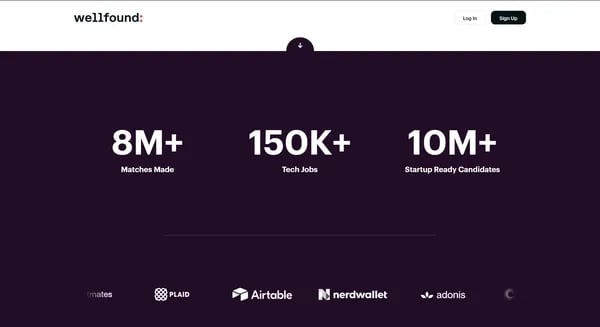
The landscape of recruiting for startups in 2026 is fundamentally different from traditional corporate hiring. Startups are rewriting the rules, creating a more transparent, efficient, and candidate-friendly process. Platforms like Wellfound are at the center of this shift, connecting over 10 million startup-ready candidates directly with founders and hiring teams—no third-party recruiters required.
Direct Connections with Founders
One of the most significant changes in startup job application processes is the removal of traditional recruiter middlemen. Instead of navigating layers of HR and agency recruiters, candidates can now connect directly with startup founders and decision-makers. This direct line of communication accelerates the hiring process and allows both parties to assess fit quickly and authentically. As one startup recruiter shared,
"Half of the offers I give are sourced from Wellfound. It's the best product for anyone looking for startup talent."
This founder-first approach to hiring not only speeds up the process but also ensures that candidates get a real sense of the company’s vision and culture from the very start.
Transparency at Every Step
Transparency is a cornerstone of the modern work startup platform. Unlike traditional job boards, startups now provide upfront access to key information—salary ranges, equity plans, benefits, and perks—before a candidate even applies. This openness empowers job seekers to make informed decisions and eliminates the guesswork that often surrounds compensation and company culture. Candidates can research by job title, industry, and company size to understand their market worth and prepare for negotiations with confidence.
Simplified, Profile-Driven Applications
Startups are also streamlining the application process. Gone are the days of lengthy cover letters and repetitive forms. Today, a well-crafted profile is all a candidate needs. With one-click applications, job seekers can express interest in a role instantly, making the process faster and less stressful. This efficiency is especially attractive to candidates eager to join fast-paced environments where adaptability and immediate impact are valued over formal credentials.
Access to Unique and Exciting Roles
Recruiting for startups also means access to opportunities that simply don’t exist elsewhere. Many of the most innovative and high-growth positions are exclusive to startup-focused platforms and never make it to traditional job boards. Whether it’s joining a pioneering space technology company or a disruptive fintech startup, candidates can find roles that align with their passions and ambitions. This unique job pool gives candidates a competitive edge and makes startup hunting a dynamic, rewarding experience.
Direct founder connections replace recruiter middlemen for faster, more authentic hiring.
Transparent salary, equity, and perks are visible before applying, empowering job seekers.
No more cover letters—a single profile and one-click application suffice.
Exclusive startup roles offer unique career paths not found on typical job boards.
With these innovations, startups are not just filling roles—they’re redefining how top talent and forward-thinking companies connect, making the hiring process more transparent, efficient, and candidate-centric than ever before.
Harnessing AI and Technology for Smarter Hiring
The landscape of recruiting and landing startup jobs in 2026 is being transformed by AI driven recruitment and advanced recruiting tools startups are rapidly adopting. Platforms like Wellfound are leading the way, leveraging automation and artificial intelligence to streamline the hiring process for both job seekers and recruiters.
AI-Powered Recruiter Tools: Scanning Millions for the Perfect Fit
Modern AI-powered recruiter tools are revolutionizing candidate sourcing by scanning hundreds of millions of profiles to identify the most relevant matches in a matter of days. Wellfound’s Autopilot AI recruiter, for example, utilizes advanced algorithms to sift through over 500 million candidate profiles, quickly shortlisting top talent based on unique hiring requirements. As the Wellfound Team notes:
"Our AI-Recruiter scans 500M+ candidates and schedules favorites within days."
This level of automation not only increases efficiency but also boosts the accuracy of candidate matching, ensuring startups connect with individuals who truly fit their culture and needs.
Seamless Integration and Scalable Hiring Strategy
A key advantage of AI-driven recruitment platforms is their ability to integrate seamlessly with existing applicant tracking systems (ATS) or provide a free, built-in ATS for startups. Wellfound’s RecruiterCloud, for instance, allows recruiters to set up job posts, customize company branding, and access essential HR tools in under 10 minutes. This rapid deployment supports a scalable hiring strategy, enabling startups to ramp up recruitment efforts as their teams grow.
Instant job posting and branding tools ready in minutes
Free ATS or integration with existing systems
Automated candidate tracking and communication
Automation Eliminates Tedious Tasks
One of the most significant benefits of AI in recruiting is the automation of repetitive tasks. Scheduling interviews, for example, is often a time-consuming process involving countless emails. With tools like Autopilot, interviews are automatically scheduled with shortlisted candidates, eliminating the back-and-forth and allowing recruiters to focus on building relationships and evaluating fit.
Precision Candidate Sourcing with AI Calibration
AI technology also enables recruiters to calibrate their hiring needs with precision. By analyzing job requirements, company culture, and historical hiring data, AI tools filter and prioritize candidates who are most likely to succeed in a specific startup environment. This targeted approach reduces time-to-hire and ensures that only the most qualified candidates move forward in the process.
Case Study: Wellfound’s Autopilot AI Recruiter
Wellfound’s Autopilot AI recruiter exemplifies how AI driven recruitment is reshaping the startup hiring experience. By handling talent sourcing and recruiting logistics, Autopilot allows startups to focus on meaningful candidate interactions rather than administrative overhead. The result is a more efficient, accurate, and scalable hiring process—critical for startups competing in fast-moving markets.
With AI-driven filtering, automation, and seamless integration, platforms like Wellfound are setting a new standard for recruiting tools startups need to stay ahead in 2026.
Practical Job Seeker Strategies for Startup Roles
Build a Standout Profile with Measurable Outcomes
In the competitive world of startup job application, a strong candidate profile is essential. Start by optimizing your LinkedIn and resume with startup-relevant language and keywords specific to your target roles, such as “growth hacking,” “product-market fit,” or “full-stack development.” Highlight quantifiable achievements—metrics like “increased user engagement by 30%” or “reduced onboarding time by 50%” stand out to founders and hiring managers. Demonstrating cultural fit is equally important; mention experiences that show adaptability, collaboration, and a passion for innovation.
Leverage Direct Application Platforms
Platforms such as Wellfound (formerly AngelList), Underdog.io, and AngelList are designed to connect job seekers directly with startup founders and hiring teams—no third-party recruiters involved. These platforms provide upfront transparency on salary, stock options, and company culture, allowing candidates to make informed decisions before applying. As one startup engineer shared,
"I got my tech job on Wellfound 4 years ago and I'm still happy with the pay, culture, and perks."
Use these platforms to discover unique opportunities, including roles at women-led startups (which collectively generate over $1.8 trillion in revenue) and in fast-growing sectors like crypto and NewSpace.
Apply in Waves and Persistently Follow Up
Startup hiring is fast-paced and relationship-driven. To maximize your chances, apply in waves of 50-100 startups at a time. This approach increases your exposure and helps you identify which companies are actively hiring. Persistent, targeted outreach is key—follow up on your applications after a week with a brief, personalized message reiterating your interest and fit. Candidates who consistently follow up see higher response rates, especially in competitive markets.
Use Personalized Cold Emails and Proof-of-Work Portfolios
Direct outreach can set you apart. Cold email founders or hiring managers with a concise, tailored message that references their company’s mission or recent milestones. Attach a proof-of-work portfolio—such as a relevant project, code sample, or case study—to demonstrate your skills and initiative. Many startups value candidates who take the time to show, not just tell, what they can do. Consider including a link to a test project or a brief video introduction to further personalize your pitch.
Optimize for Relationship-Driven Hiring and Warm Introductions
Startups often rely on referrals and warm introductions. Engage with startup communities on Slack, Discord, or LinkedIn groups to build relationships with current employees and founders. Attend virtual events or webinars hosted by target companies. A warm introduction from someone inside the company can significantly boost your chances of landing an interview.
Stay Informed and Ready to Negotiate
Research salary ranges by job title, industry, and company size to prepare for negotiations. Platforms like Wellfound offer salary data and insights into funding rounds, helping you time your job search for when startups are actively expanding. Being informed empowers you to negotiate confidently and secure the best possible offer.
The Role of Employer Branding and Candidate Experience in Startups
In 2026, startups are redefining what it means to attract and retain top talent. Employer branding in startups goes far beyond flashy perks—it’s about building a transparent, mission-driven culture that resonates with today’s job seekers. At the same time, a seamless candidate experience is crucial for converting interest into successful hires and long-term advocates.
Building Culture Appeal Through Transparency and Growth
Startups distinguish themselves by showcasing their unique culture. Transparency around salary, equity, and benefits is now a baseline expectation. Platforms like Wellfound allow candidates to view salary ranges, stock options, and company values before applying, setting a new standard for openness. Flexible PTO and unlimited vacation are among the top perks cited by startup employees, reflecting the industry’s commitment to work-life balance and autonomy.
Employer branding in startups also involves communicating the company’s mission and impact clearly. Founders and team members often share stories on social media, offering an authentic glimpse into daily life and growth opportunities. This approach not only attracts candidates aligned with the mission but also builds lasting brand loyalty.
Enhancing Candidate Experience: Simplicity and Speed
A positive candidate experience is a key differentiator in the competitive startup hiring landscape. Startups are streamlining applications—eliminating cover letters, enabling one-click apply features, and integrating with applicant tracking systems to reduce friction. As one candidate shared:
"It's super easy to use and I love the UI. I can't imagine my day to day without this platform."
This simplicity reduces application drop-off rates and ensures that candidates can focus on showcasing their skills, not navigating cumbersome processes.
Timely interview feedback and transparent communication are now expected. Startups that provide clear timelines, prompt updates, and constructive feedback stand out. These practices not only improve offer acceptance rates but also increase the likelihood of referrals, as candidates are more likely to recommend companies that respect their time and effort.
Personalized Engagement and Offer Management Onboarding
Personalized engagement is another hallmark of a strong candidate experience. Warm introductions, tailored messages, and direct access to founders or hiring managers foster trust and signal that the company values each applicant. Startups are leveraging AI-driven tools to match candidates with roles that fit their skills and aspirations, further personalizing the journey.
Effective offer management onboarding is essential. Clear, upfront communication about compensation, equity, and growth paths helps candidates make informed decisions. Streamlined onboarding processes—often managed through integrated HR platforms—ensure that new hires feel welcomed and supported from day one.
Employer Branding and Candidate Experience: A Startup Imperative
Transparent pay, culture, and communication are now inseparable from employer branding startups strategies.
Candidate experience improvements—like simplified applications and rapid feedback—directly impact hiring success.
Personalized, mission-driven engagement fosters trust and long-term loyalty.
As startups continue to innovate, authentic employer branding and a positive candidate experience are proving to be not just differentiators, but essential drivers of growth and success.
Looking Ahead: Trends and Predictions for Startup Hiring in 2026
As the startup landscape evolves, so do the ways in which companies recruit and hire talent. Looking ahead to 2026, several trends are set to redefine how job seekers and employers connect, especially in the tech startup space. For those seeking a startup job 2026 or aiming to land their first tech job, understanding these shifts will be crucial for success.
One of the most significant changes is the rise of new industry magnets. Tech sectors such as space (“NewSpace”) and crypto (“NewCrypto”) are rapidly expanding, offering unique opportunities for engineers and professionals eager to work startup roles at the forefront of innovation. In recent years, crypto startups hiring remotely have surged, and this trend is expected to accelerate. Similarly, privatized spaceflight companies are capturing both public imagination and investor interest, leading to a wave of new job openings post-funding rounds. Timing remains critical, as startups often scale their teams quickly after securing capital.
Women-led startups are also emerging as powerful engines of growth. In the United States alone, women-led businesses generate over $1.8 trillion in revenue, and many are actively expanding their remote teams. These companies are not only driving economic impact but are also fostering more inclusive and flexible work environments. As more women take leadership roles in tech startups, job seekers can expect to see a broader range of opportunities and a stronger emphasis on diversity and remote collaboration.
Remote work, once considered a temporary solution, has now become a permanent fixture in startup hiring practices. As industry thought leader Naval Ravikant notes,
"Why Naval Ravikant thinks remote work is the future of tech startups."
This shift allows startups to tap into a global talent pool and enables candidates to apply for roles regardless of location. The onboarding process has also adapted, with virtual interviews and asynchronous collaboration tools becoming standard. For job seekers, this means greater flexibility and access to positions that were previously out of reach.
In 2026, startups will continue to prioritize adaptability and practical skills over traditional credentials. The fast-paced nature of the industry demands employees who can learn quickly and pivot as needed. Candidates who demonstrate a willingness to take on new challenges and show evidence of continuous learning will stand out in the hiring process. Startups value real-world problem-solving abilities, making hands-on experience and project portfolios more important than ever.
Finally, the integration of data-driven platforms and AI-powered recruiters is transforming how startups source and match candidates. Modern platforms now offer transparent salary and equity information, streamlined applications without cover letters, and direct connections to founders. AI recruiters, like Wellfound’s Autopilot, can scan millions of profiles and schedule interviews with top matches in days, making the hiring process faster and more efficient for both sides.
In conclusion, the future of hiring tech startups is dynamic, inclusive, and increasingly digital. For those looking to work startup roles in 2026, staying informed about these trends and embracing adaptability will be key to landing the best opportunities in this ever-evolving market.