
Picture this: investing nearly seven hundred bucks in a lifelong SaaS deal, only to get a surprise email years later—“Now, you have to start paying every month or lose access.” Sound familiar? Unfortunately, that’s exactly what’s happened to many Adilo users. It’s not just about money; it’s about trust, dashed hopes, and the very real risks of hunting for lifetime deals in the fast-moving digital world. I’ve watched platforms come and go, but few flameouts sting like this—especially for those who took a leap of faith as early adopters. So, what went wrong, and what can we all learn?
Flashback: The Golden Age of Lifetime Deals (and How Adilo Broke the Spell)
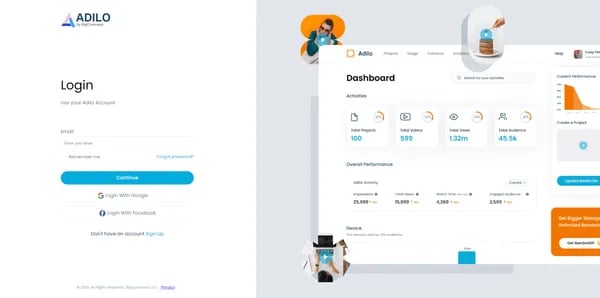
For years, the SaaS world was buzzing with the promise of lifetime deals. Early adopters, power users, and savvy entrepreneurs saw these offers as a secret hack—a way to lock in premium software access for a single, up-front fee. The excitement was real: pay once, use forever, and never worry about rising monthly costs. Platforms like Adilo fueled this enthusiasm, offering their “Adilo Lifetime Agency” license for a substantial one-time payment of USD 697. The draw was simple: unlimited access, no recurring fees, and the sense of being a valued insider.
But as the industry matured, the risks of these lifetime license issues became clear. Many users invested upfront, trusting that the original terms would be honored. For early adopters, it wasn’t just about saving money—it was about supporting innovation and being part of a platform’s journey from the ground up. The Adilo early adopter experience was built on this foundation of trust. Customers believed their one-time investment would secure them the tools and features they needed, indefinitely.
That trust was shattered in late 2025, when Adilo announced a sweeping change to its business model. The company revealed that all accounts—including those with lifetime licenses—would be forced to transition to a new Adilo subscription model, starting at $29/month. No refunds were offered for previous lifetime purchases, except for a select few who bought after May 2025. For many, this was more than a pricing update; it was a breach of the original value proposition and a violation of the good-faith agreement that had drawn them in as early supporters.
One early adopter summed up the frustration: “As an early supporter, I made a substantial, one-time (USD 697) investment in the platform with the good-faith expectation that the original payment model would be honoured.” The sudden shift left many feeling stranded, especially as promised extras—like the “AskPigeon” chat app—were never delivered, despite repeated requests. This experience highlighted a growing concern in the SaaS community: when lifetime doesn’t mean forever, what happens to the trust that once fueled early adoption?
The fallout was swift. Longtime users voiced their disappointment and vowed not to recommend Adilo to colleagues or clients. The sense of betrayal was palpable, with many questioning the sustainability and ethics of such business practices. As industry observer Mark Masters put it:
“The platforms that endure are those that respect what they promised in the first place.”
The Adilo Lifetime Agency license issues became a cautionary tale, illustrating how quickly the golden age of lifetime deals could unravel. For those who once saw lifetime licenses as a smart investment, Adilo’s subscription model change was a wake-up call—and a reminder that in SaaS, promises matter as much as features.
Red Flags and Broken Promises: An Insider’s Take on the Lifetime License Trap
The story of the Adilo Lifetime Agency license is a cautionary tale for anyone considering a “lifetime” software deal. Early adopters were drawn in by a compelling offer: for a one-time payment of USD 697, users would receive agency-level features, priority support, and exclusive add-ons like the much-hyped AskPigeon chat widget. For many, this seemed like a smart investment—until the reality of lifetime license issues began to surface.
One of the most glaring Adilo customer complaints centers on the AskPigeon feature. Marketed as a valuable bonus, AskPigeon was supposed to provide users with a powerful website chat tool. However, for numerous license holders, this feature never materialized. Despite repeated inquiries and support tickets, Adilo remained silent. The lack of communication became its own red flag, signaling deeper problems within the company’s approach to customer care and transparency.
This pattern of broken promises didn’t stop with missing add-ons. Over time, Adilo began to revise its service terms, culminating in the recent announcement of a forced subscription change for all accounts—including those who had paid for a lifetime license. Users who decline to switch to a subscription plan now risk losing access to the platform entirely. For early supporters, this move not only invalidates the original agreement but also erodes trust in the brand.
As one SaaS consultant, Laura Edmonds, put it:
"If your platform forgets its earliest champions, don’t be surprised when they walk away—and tell others why."
The missing AskPigeon feature is more than just a minor oversight; it’s the canary in the coal mine for larger business troubles. When a company fails to deliver on small promises, it often foreshadows bigger issues—like unsustainable pricing models and abrupt policy shifts. For agencies and consultants who rely on stability, these warning signs are impossible to ignore.
The impact of these lifetime license issues goes beyond individual frustration. Many early adopters, once enthusiastic advocates, now refuse to recommend Adilo to colleagues or clients. The ripple effect is significant: repeated service revisions and unfulfilled promises damage referral networks and tarnish the company’s reputation in the professional community.
Perhaps most concerning is the lack of response from Adilo’s team. When customers reach out about missing features or policy changes and receive no answer, it signals a breakdown in the company’s commitment to its user base. This silence not only fuels disillusionment but also raises questions about the platform’s long-term viability.
For anyone evaluating software investments, the Adilo experience serves as a stark reminder: when companies change the deal after the fact, your trust—and your money—are at risk.
The Human Cost: Emotion, Frustration, and the Ripple Effect on Trust
The sudden shift from a lifetime access promise to a mandatory subscription model has triggered a wave of customer dissatisfaction with subscription services—and nowhere is this more apparent than among Adilo’s early adopters. For many, the emotional fallout is immediate and raw: disappointment, frustration, and a deep sense of betrayal. These feelings are not just fleeting reactions; they mark the beginning of a profound erosion of brand loyalty and trust.
Adilo’s decision to cancel its lifetime plan has hit its earliest supporters the hardest. These users, who invested significant sums upfront—often hundreds of dollars—did so on the good-faith expectation that their access was perpetual. As one user put it, “Given the frequency of service promises being revised and the current failure to respect the initial agreement provided to long-term customers, I will not be converting my account to a paid subscription. Moving forward, I can and will no longer recommend or promote Adilo to colleagues or clients, as Adilo is full of lies!”
This sentiment is echoed across online forums, review sites, and social media. Following Adilo’s 2025 announcement, there was a surge in Adilo customer complaints and negative reviews. Agencies and consultants, once vocal advocates, have withdrawn support and severed referral pipelines. The impact is not limited to individual users; it ripples outward, damaging Adilo’s reputation and growth prospects. As Seth Godin famously said,
"Trust is built in drops and lost in buckets."
When early adopters feel burned, the consequences go beyond lost revenue. The impact of subscription models on early adopters is clear: ex-users become outspoken critics, warning others to steer clear. Word-of-mouth, once a powerful growth engine, turns into a liability. The cascading effect is visible as agencies and consultants not only stop recommending Adilo but actively discourage others from joining. The sense of community and advocacy that once fueled Adilo’s growth has been replaced by skepticism and caution.
This pattern is not unique to Adilo. Across the SaaS landscape, users are experiencing “subscription fatigue” as more platforms abandon lifetime deals in favor of recurring fees. The backlash is growing, with many early adopters vowing never to trust lifetime offers again. The wider trend is clear: aggressive subscription transitions are breeding a new generation of wary, vocal, and dissatisfied customers.
It raises a critical question: if all software companies abandoned lifetime options, how would early adopters behave differently? Would they invest less, demand more transparency, or avoid new platforms altogether? The Adilo case offers a cautionary tale about the Adilo user dissatisfaction that can follow when trust is broken and agreements are not honored.
Ultimately, the human cost of these decisions is measured not just in lost revenue, but in lost relationships, damaged reputations, and the long-term erosion of trust in the SaaS ecosystem.
Finding Stability: Unpacking Alternatives to Adilo for Video Marketing
With Adilo pricing changes leaving early adopters feeling let down, many marketers are searching for alternatives to Adilo for video marketing that offer both reliability and respect for original agreements. The need for a stable, trustworthy video marketing platform has never been clearer. Here’s a closer look at two emerging options—Viddiooz.CC and GrooveVideo—plus a practical checklist for evaluating your next provider.
Viddiooz.CC: Fast Campaigns and Special Launch Pricing
Viddiooz.CC positions itself as a campaign-driven video marketing platform designed to boost conversions. Its promise is simple: let users quickly launch video-based deals and promotions, complete with embedded calls-to-action and sales hooks. The platform’s “special launch price” and bundled bonuses are intended to attract marketers looking for a cost-effective, ready-to-go solution.
Key Features: Pre-built campaign templates, video embedding with CTAs, and bundled launch bonuses.
Target User: Entrepreneurs and small businesses wanting to deploy video offers without building custom funnels.
What to Know: As with any new platform, it’s important to verify ongoing support and fulfillment of all promised features—especially for early adopters.
GrooveVideo: All-in-One Video Marketing Integration
GrooveVideo, part of the Groove CRM suite, takes a different approach by integrating video hosting directly within a full-stack marketing platform. Users can upload, customize, and embed videos across sales funnels, membership sites, and landing pages. Interactive features like clickable CTAs and lead-capture overlays are built in, alongside analytics and seamless integration with other Scale/Groove tools.
Pros: Single subscription covers websites, funnels, video hosting, email, and sales tools—reducing costs and complexity.
Cons: The all-in-one approach may feel overwhelming for those who only need video hosting, and platform updates can impact multiple business functions at once.
Best For: Agencies, creators, and businesses seeking a unified solution for video marketing, analytics, and sales conversion.
As digital strategist Erik Tompkins puts it:
"Stacking your marketing tools is fine—until you realize all you really want is someone to keep their word."
Checklist: What to Demand from Your Next Video SaaS Provider
Transparency: Clear, upfront communication about pricing, features, and any planned changes.
Customer Support: Responsive help channels and a track record of honoring commitments.
Respect for Legacy Promises: Providers should honor agreements with early adopters and communicate any changes well in advance.
Feature Fulfillment: Ensure all promised tools and bonuses are delivered as advertised.
While some still view Adilo as a cost-effective option, many users are now considering video marketing platform alternatives like Vimeo and Wistia, seeking greater stability and trust. The lesson: prioritize platforms that value long-term relationships over short-term gains.
Lessons Worth the Heartburn: Protecting Yourself in a Volatile Digital World
The unraveling of Adilo’s early adopter promises—especially for those who purchased the Adilo Lifetime Agency license—serves as a cautionary tale for anyone considering lifetime deals from SaaS startups. The shift to mandatory subscription models and the failure to deliver on promised features like AskPigeon have left many early supporters feeling betrayed, highlighting the impact of subscription models on early adopters and the inherent lifetime license issues that can arise when a company pivots its business strategy.
This controversy underscores a hard truth: in the fast-moving world of SaaS, “lifetime” can mean as little as the next funding round or until the business model no longer works. As analyst Brian McCarthy puts it,
“In SaaS, forever is only as long as the cash flow lasts.”
For customers, this means that the value of a lifetime license is only as secure as the company’s financial health and commitment to its promises.
So, how can you protect yourself from similar disappointments? First, due diligence is essential. Before investing in any SaaS platform—especially one offering a lifetime deal—take the time to research the company’s track record, read independent reviews, and dig into user forums for real-world experiences. Pay close attention to refund policies and the fine print; in Adilo’s case, no refunds were offered to lifetime users except for a small subset post-May 2025, leaving most early adopters with no recourse.
It’s also wise to have a backup plan. Relying on a single platform for mission-critical functions is risky, especially if that platform is a startup. Regularly backing up your data, keeping an eye on industry gossip, and being ready to migrate to alternatives like Viddiooz.CC or GrooveVideo can save you from scrambling if a provider suddenly changes its terms or shutters its service. In today’s digital landscape, flexibility and vigilance are your best defenses.
Ultimately, chasing the next lifetime deal is a bit like buying mystery meat at a discount market—sometimes you score a feast, but just as often, you end up with regret. Startups can and do pivot, and buyers should approach “lifetime” promises with healthy skepticism. The Adilo Lifetime Agency license issues are a stark reminder that flashy deals and bold promises don’t always translate into lasting value.
In conclusion, the Adilo controversy has spotlighted the risks of purchasing lifetime licenses from startups. Protecting yourself means doing your homework, reading the fine print, and preparing for the unexpected. In the volatile world of SaaS, the best investment is not just in the right tool, but in your own ability to adapt when “forever” turns out to be surprisingly short.